
Guntakal

Generic selectors
Exact matches only
Search in title
Search in content
Post Type Selectors
Generic selectors
Exact matches only
Search in title
Search in content
Post Type Selectors

Famous Festivals

Famous Festivals

Vinayaka Chavithi

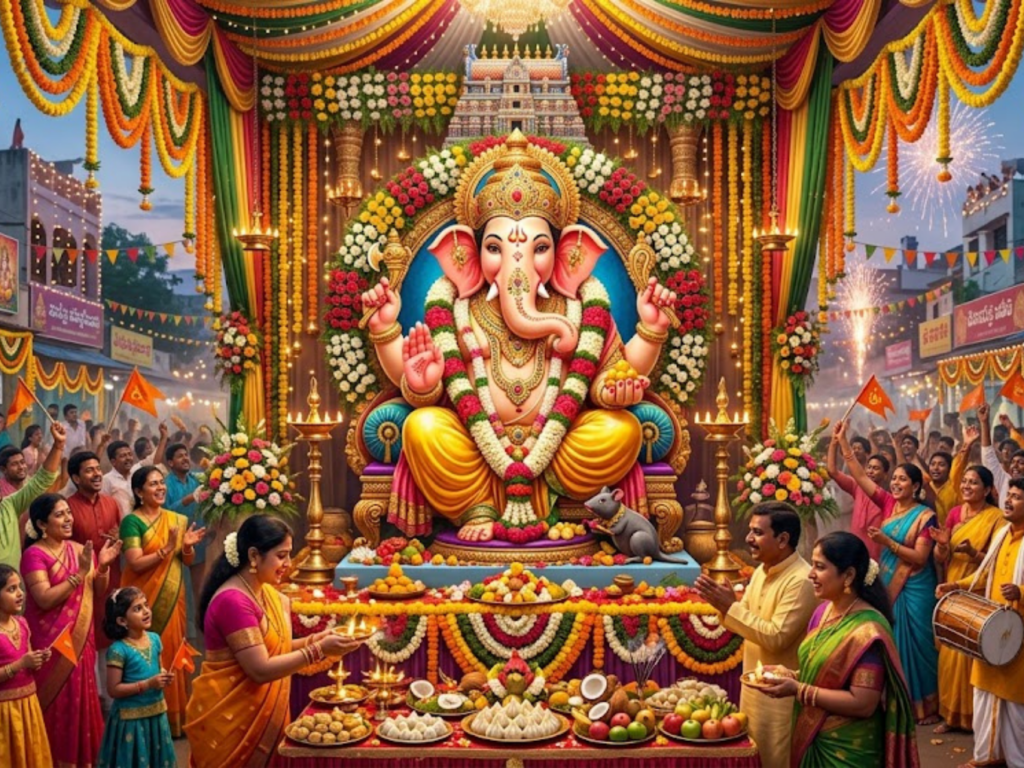
Vinayaka Chavithi, also known as Ganesh Chaturthi, is one of the most popular Hindu festivals celebrated across India. The festival marks the birth of Lord Ganesha, the elephant-headed son of Lord Shiva and Goddess Parvati. Lord Ganesha is worshipped as: In Andhra Pradesh, especially in places like Guntakal, Vinayaka Chavithi is celebrated with great devotion and enthusiasm. Meaning of Vinayaka Chavithi The festival is celebrated on the fourth day (Chaturthi) of the Hindu month of Bhadrapada, usually during August or September. Story Behind Vinayaka Chavithi According to Hindu mythology: Since then, Lord Ganesha has been worshipped before starting any important work. Importance of the Festival Vinayaka Chavithi symbolizes: Students, business owners, and families especially pray to Lord Ganesha for blessings. Preparations for Vinayaka Chavithi Before the festival: Markets become crowded with: Eco-Friendly Ganesha Idols Nowadays many people use: to protect the environment and reduce water pollution during immersion ceremonies. Installation of Lord Ganesha Idol The idol is placed in: The area is beautifully decorated with: Main Rituals of Vinayaka Chavithi 1. Ganapathi Puja Priests or family members perform special worship using: 2. Prana Pratishtha This ritual invites divine energy into the idol. 3. Offering Naivedyam Special foods are offered to Lord Ganesha. Favorite Foods of Lord Ganesha Lord Ganesha is believed to love sweets, especially: In Andhra Pradesh, Undrallu is one of the most important offerings. Vinayaka Chavithi in Andhra Pradesh In Andhra Pradesh, Vinayaka Chavithi is celebrated both: In towns like Guntakal: People gather with family and friends for celebrations. Community Celebrations Public celebrations include: Children participate actively in decorations and cultural activities. Ganesh Processions One of the biggest attractions is the immersion procession. Devotees carry Ganesha idols through streets with: Popular chants include: Ganesh Nimajjanam (Immersion) After worshipping for: the idol is immersed in water. This symbolizes:
Famous Festivals

Hanuman Jayanthi

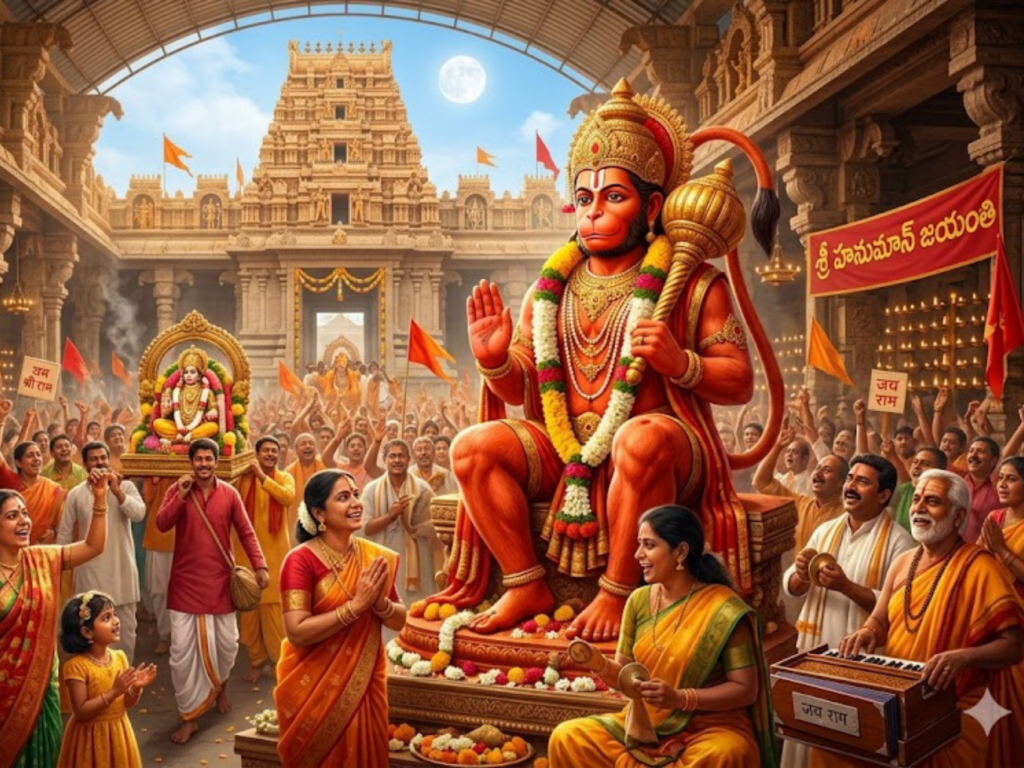
Hanuman Jayanthi is a sacred Hindu festival celebrated to mark the birth of Lord Hanuman, one of the greatest devotees of Lord Rama. Lord Hanuman is worshipped as: The festival is celebrated with great devotion across India, especially in Andhra Pradesh and towns like Guntakal. Who is Lord Hanuman? According to the Hindu epic:Ramayana Lord Hanuman was: He played a major role in helping Lord Rama rescue Goddess Sita from Ravana. Importance of Hanuman Jayanthi Hanuman Jayanthi celebrates: Devotees believe worshipping Lord Hanuman gives: Date of Hanuman Jayanthi The festival date varies in different regions of India. In Andhra Pradesh and Telangana, Hanuman Jayanthi is usually celebrated during: according to local traditions and temple calendars. Hanuman Jayanthi in Andhra Pradesh In Andhra Pradesh, especially in Rayalaseema regions like Guntakal, Hanuman temples become crowded with devotees. Special activities include: Famous Hanuman Temple Near Guntakal One of the most famous temples near Guntakal is: Sri Nettikanti Anjaneya Swamy Temple This temple attracts thousands of devotees during Hanuman Jayanthi. Importance of the Temple The temple is believed to: People from Andhra Pradesh, Karnataka, and Telangana visit this temple regularly. Preparations for Hanuman Jayanthi Before the festival: Devotees often observe fasting and spiritual discipline. Main Rituals of Hanuman Jayanthi 1. Early Morning Bath Devotees wake up early and take a holy bath before visiting temples. 2. Temple Visits People visit Hanuman temples and offer: Abhishekam Special holy baths called Abhishekam are performed using: Priests chant Vedic mantras during the ritual. Hanuman Chalisa Recitation One of the most important traditions is chanting:Hanuman Chalisa Devotees recite it: to seek Lord Hanuman’s blessings. Sundara Kanda Parayanam Many devotees read: This section mainly describes Hanuman’s bravery and devotion. It is believed to: Fasting Many people observe fasting during Hanuman Jayanthi. Some devotees eat only: The fast is completed after prayers. Processions and Celebrations In many towns and villages: Devotees chant: throughout the celebrations. Hanuman’s Symbolism Lord Hanuman represents: He is also considered the protector against: Spiritual Teachings of Hanuman Hanuman’s life teaches: He is admired as the ideal devotee. Special Offerings to Hanuman Popular offerings include: Many temples decorate Hanuman idols beautifully with flowers and ornaments. Cultural Programs Temples organize: Children often participate in devotional activities. Hanuman Jayanthi in Guntakal Region Around Guntakal, devotees especially visit: Sri Nettikanti Anjaneya Swamy Temple The temple festival atmosphere includes: Hanuman Jayanthi Wishes Common greetings include:

Famous Festivals

Sri Rama Navami

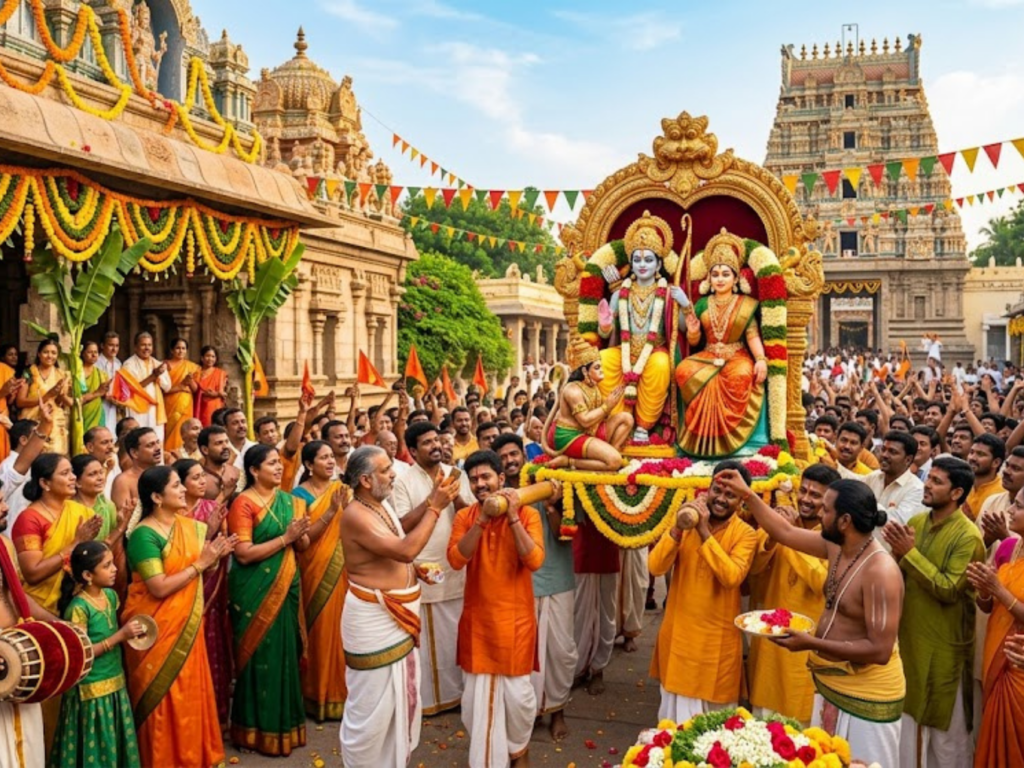
Sri Rama Navami is one of the most sacred Hindu festivals celebrated across India. It marks the birth of Lord Rama, the seventh avatar of Lord Vishnu. The festival is celebrated on the ninth day (Navami) of the Chaitra month in the Hindu lunar calendar, usually during March or April. Lord Rama is worshipped as: Sri Rama Navami is celebrated with great devotion in Andhra Pradesh, especially in towns like Guntakal. Birth of Lord Rama According to the Hindu epic Ramayana: The story of Lord Rama teaches: Importance of Sri Rama Navami The festival symbolizes: Devotees believe worshipping Lord Rama brings: Celebrations in Andhra Pradesh In Andhra Pradesh, Sri Rama Navami is celebrated with: Temples dedicated to: become crowded with devotees. Celebrations in Guntakal In Guntakal and nearby villages: Families gather together for prayers and festive meals. Main Rituals of Sri Rama Navami 1. Early Morning Bath Devotees wake up early and take a holy bath before prayers. 2. Cleaning and Decoration Homes and temples are decorated with: 3. Rama Puja Special prayers are offered to: Offerings include: Sita Rama Kalyanam One of the most important events during Sri Rama Navami is: Sita Rama Kalyanam It is the ceremonial wedding of: Priests perform the divine marriage ritual in temples with Vedic chants. Thousands of devotees attend this sacred ceremony. In Andhra Pradesh, the Sita Rama Kalyanam at:Sri Sita Ramachandra Swamy Temple is world famous. Panakam and Vadapappu Two traditional prasadam items are very important during Rama Navami: Panakam A sweet drink made with: It helps cool the body during summer. Vadapappu Prepared using soaked moong dal mixed with: These are offered to Lord Rama and distributed among devotees. Reading the Ramayana Many devotees read or listen to:Ramayana during the festival. Religious discourses explain: Temples organize spiritual programs and storytelling sessions. Bhajans and Devotional Songs Devotional singing is an important part of celebrations. People sing: The atmosphere becomes spiritual and peaceful. Processions In many towns: Children often dress as: during cultural programs. Fasting on Sri Rama Navami Many devotees observe fasting to seek blessings from Lord Rama. Some people eat only: The fast is usually completed after evening prayers. Spiritual Message of Lord Rama Lord Rama is considered: His life teaches: Famous Rama Temples Some famous Rama temples include: These temples attract lakhs of devotees during Sri Rama Navami. Traditional Foods Families prepare: These are shared with relatives and neighbors. Sri Rama Navami Wishes Common greetings include: Conclusion Sri Rama Navami is a sacred festival celebrating the birth and teachings of Lord Rama. In Guntakal and across India, devotees celebrate the festival with prayers, bhajans, temple visits, fasting, and Sita Rama Kalyanam ceremonies. The festival inspires people to follow truth, righteousness, devotion, and moral values in life.

Famous Festivals

Sankranti (Pongal)

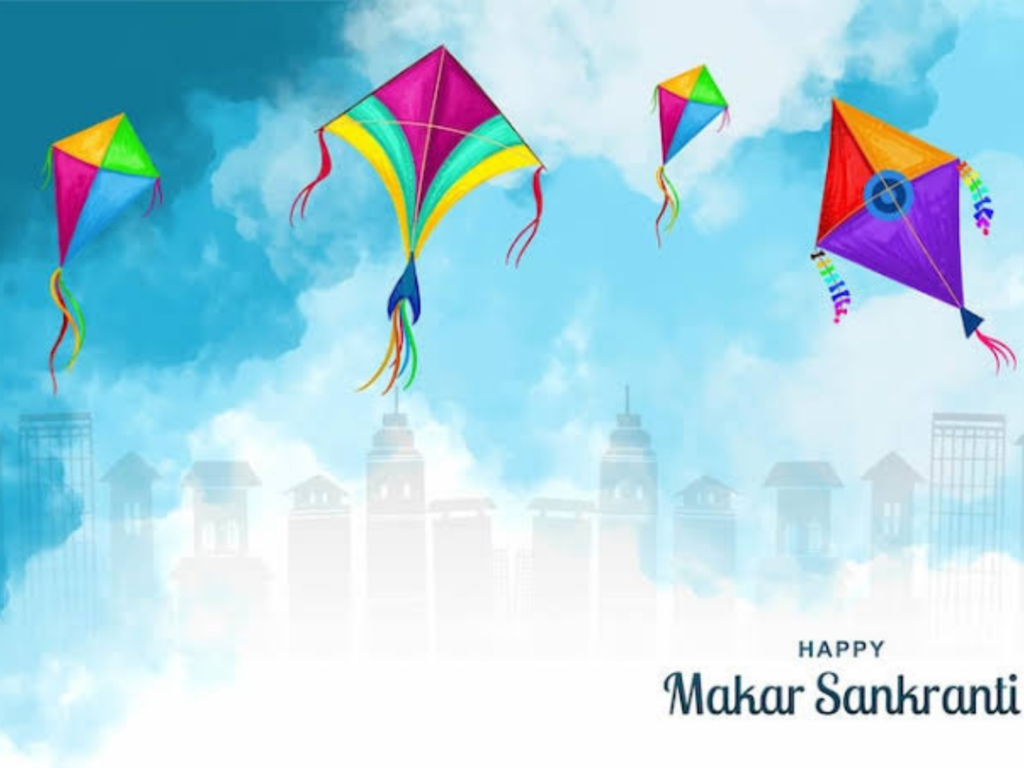
Introduction Sankranti, also called Makara Sankranti, is one of the biggest and most important festivals in Andhra Pradesh and across South India. In Tamil Nadu, it is widely known as Pongal. It is a harvest festival celebrated to thank: for a successful agricultural season. The festival usually falls on January 14 or 15 every year when the Sun enters the zodiac sign of Makara (Capricorn). Importance of Sankranti Sankranti marks: It is considered highly auspicious in Hindu tradition. In places like Guntakal and the Rayalaseema region, Sankranti is celebrated with family gatherings, colorful decorations, traditional foods, and village festivities. Scientific and Religious Significance Astronomical Importance Makara Sankranti is based on the solar calendar. It marks the movement of the Sun into the Capricorn zodiac sign. This transition is called: According to Hindu belief, Uttarayana is a very sacred period. Sankranti Festival Duration In Andhra Pradesh, Sankranti is usually celebrated for 3 or 4 days: Day 1 – Bhogi Meaning Bhogi is dedicated to Lord Indra, the God of rain and agriculture. Celebrations People: Bhogi Mantalu Early in the morning, bonfires called Bhogi Mantalu are lit. People gather around the fire singing songs and celebrating the new season. Children are often showered with: This ritual is called Bhogi Pallu. Day 2 – Sankranti This is the main festival day. Morning Rituals Families: Rangoli (Muggulu) Women create colorful rangoli designs outside homes using: Special cow-dung decorations called Gobbemmalu are also placed in front of homes. Worship of the Sun God People offer: to Surya Bhagavan (Sun God) to thank him for a good harvest. Traditional Foods Many delicious dishes are prepared during Sankranti: Popular Foods Freshly harvested rice and jaggery are widely used. Pongal Festival In Tamil culture, the main dish prepared is called Pongal, made with: The boiling over of milk symbolizes: People say:“Pongalo Pongal!” while preparing it. Day 3 – Kanuma Kanuma is mainly dedicated to: Importance of Cattle Farmers worship cows and bulls because they help in agriculture. Animals are: In villages near Guntakal, cattle processions and rural celebrations are common during Kanuma. Day 4 – Mukkanuma Mukkanuma is celebrated in some regions of Andhra Pradesh. People: It is considered a day for relaxation and social celebration. Kite Flying Kite flying is a major attraction during Sankranti in many parts of India. Children and youth gather on rooftops flying colorful kites throughout the day. The sky becomes filled with vibrant designs and festive excitement. Village Celebrations In rural areas around Guntakal, Sankranti celebrations often include: These traditions reflect Telugu rural culture and heritage. Haridasu Tradition A Haridasu is a traditional devotional singer who visits homes singing songs about Lord Vishnu. He carries: People offer rice, grains, or donations. Gangireddu Tradition Decorated bulls called Gangireddu are taken from house to house with music and dance performances. This is a famous Sankranti tradition in Andhra Pradesh. Sankranti Decorations Homes are decorated with: The atmosphere becomes colorful and joyful. Cultural Programs Schools and cultural organizations conduct: Families gather together and celebrate with joy.

Famous Festivals

Ugadi

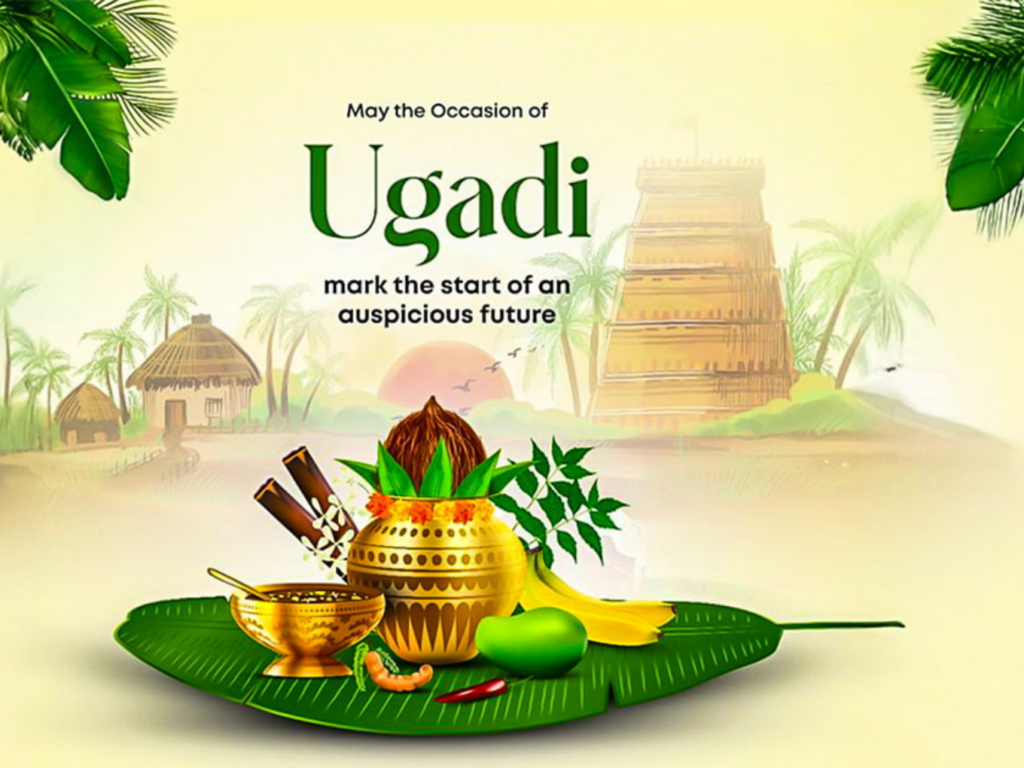
What is Ugadi? Ugadi is the traditional New Year festival celebrated mainly in the states of Andhra Pradesh, Telangana, and Karnataka.The word “Ugadi” comes from the Sanskrit words: So, Ugadi means “Beginning of a New Year.” It marks the start of the Hindu lunar calendar and usually falls in March or April. Importance of Ugadi Ugadi is considered a very auspicious festival because it symbolizes: According to Hindu tradition, Lord Brahma started the creation of the universe on Ugadi day. Ugadi in Andhra Pradesh In towns like Guntakal, people celebrate Ugadi with devotion and family gatherings. Temples are decorated beautifully, homes are cleaned, and special foods are prepared. The festival is especially important for Telugu-speaking families. Preparations for Ugadi 1. Cleaning Homes Before Ugadi, people clean and decorate their homes to welcome positivity and good luck. 2. Mango Leaf Decorations Fresh mango leaves called Toranas are tied at house entrances because they are believed to bring prosperity. 3. Rangoli (Muggulu) Women create colorful rangoli designs in front of homes using rice flour and colors. 4. Shopping Families buy: Markets become crowded during the festival season. Ugadi Day Celebrations Early Morning Oil Bath People wake up early and take a traditional oil bath called Abhyanga Snanam. Wearing New Clothes Families wear new traditional dresses: Temple Visits Devotees visit temples and pray for: Special pujas are held at temples dedicated to: Ugadi Pachadi – Special Dish The most important part of Ugadi is the preparation of Ugadi Pachadi. It is a special chutney made with six tastes that represent different emotions of life. Ingredients and Meanings Ingredient Taste Meaning Neem flowers Bitter Sadness Jaggery Sweet Happiness Tamarind Sour Challenges Green chilli Spicy Anger Salt Salty Interest in life Raw mango Tangy Surprise This dish teaches that life contains both happiness and difficulties. Panchanga Sravanam A special tradition during Ugadi is Panchanga Sravanam. Priests or scholars read the Hindu calendar predictions for the new year, including: Many people listen carefully to know what the new year may bring. Traditional Foods Prepared During Ugadi Families prepare many delicious dishes such as: Festive meals are shared with relatives and neighbors. Cultural Programs In many towns and cities: are organized during Ugadi celebrations. Schools and cultural organizations also conduct competitions and celebrations. Spiritual Significance Ugadi reminds people to: The six tastes of Ugadi Pachadi symbolize that life includes every emotion and experience. Ugadi and Nature Ugadi arrives during spring season: It represents renewal and growth in nature. Ugadi Wishes Common Ugadi greetings include: Conclusion Ugadi is not just a festival; it is a celebration of culture, family, spirituality, and new beginnings. In places like Guntakal and across Telugu-speaking regions, Ugadi brings people together with joy, devotion, traditional foods, and hopes for a prosperous year ahead.

LIstings
News
Home
Jobs
Contact